Subscribe for Updates
--->

Tips for Sustainable Holiday Travel

Happy Holidays!

Millions of people travel for the holidays every year. Many families take advantage of the time they have off from work or school to go on vacation during the holidays, often seeking warmer weather. For whatever reason you choose to leave home this holiday season, there are many ways you can help protect the planet while you travel!

Transportation
Trains, buses, and other forms of public transportation are the most energy-efficient way to travel. If you're traveling by plane, try to take a direct flight--in addition to being more convenient, it uses a lot less fuel. You can also participate in a carbon offset program that will help mitigate the impact of your trip. And if you just can't get around driving, make the effort to travel during off-peak times and take your car for regular maintenance before your road trip. Changing oil, properly inflating tires, and driving the speed limit can make a huge difference in fuel efficiency.

Lodging
Going on vacation for the holidays? Mexico, the Caribbean, and Central America are all popular destinations for those looking to escape to warmer climates during the cold winter months. Do your research and book at a hotel that has made a commitment to protecting the environment and supporting the local community. Remember - all of the hotels, tour operators, and other tourism businesses in the SustainableTrip.org directory have demonstrated their commitment to sustainability with clearly outlined environmental and social initiatives (described in every listing's "Making a Difference" section).

Happy Holidays from the SustainableTrip.org team!

A (Bio) Diverse Vacation

All eco-adventurers know that the success of their travels depends on healthy ecosystems full of beautiful flora and fauna. People travel thousands of miles to see exotic plants and animals, such as whales, monkeys, birds, and sea turtles, in their natural habitats. Biodiversity, or the variation of life forms in a given area, is used to measure the health of these ecosystems. Supporting tourism businesses that are involved in biodiversity conservation is imperative if travelers want to ensure the natural treasures of our world are here for generations to come.

SustainableTrip makes it easy to find eco-friendly accommodations located in impressive natural surroundings, where travelers can learn more about the environment and even contribute to its preservation. Below, you can find a selection of hotels in several destinations that are all active in biodiversity conservation:

La Selva Biological Station, Costa Rica

Located in the Caribbean lowlands of Costa Rica, La Selva Biological Station is one of the most important stations for tropical ecosystem research in the world, comprised of 3,988 acres (1,614 hectares) of old growth and tropical wet forest.

La Selva is one of the three biological research stations managed by the Organization for Tropical Studies (OTS) in Costa Rica, which all offer experiential learning through activities such as guided natural history walks, bird-watching, night hikes, science projects and hands-on activities, volunteer projects, river boat tours, and lectures.

In this UNESCO Biosphere Reserve, the exotic flora and fauna seems endless; there are 1,850 species of vascular plant flora, 350 species of trees, more than half of the species of birds in Costa Rica, over 70 species of bats, and thousands of reptiles, amphibians, and insects.

La Selva Biological Station

La Milpa Eco-Lodge and Research Center, Belize

La Milpa Eco-Lodge and Research Center, nestled deep in the sub-tropical forest of northwestern Belize, is managed by the Rio Bravo Conservation and Management Area (RBCMA), whose mission is to conserve biodiversity and promote the sustainable development of Belize.

Renowned for being the largest private reserve and second largest single protected area in the country, the research center protects 240 species of trees, 70 species of animals, 400 species of birds, and 12 endangered animal species including the jaguar, the black howler monkey, the yellow headed parrot, the tapir (Belize's national animal) and even harpy eagles!

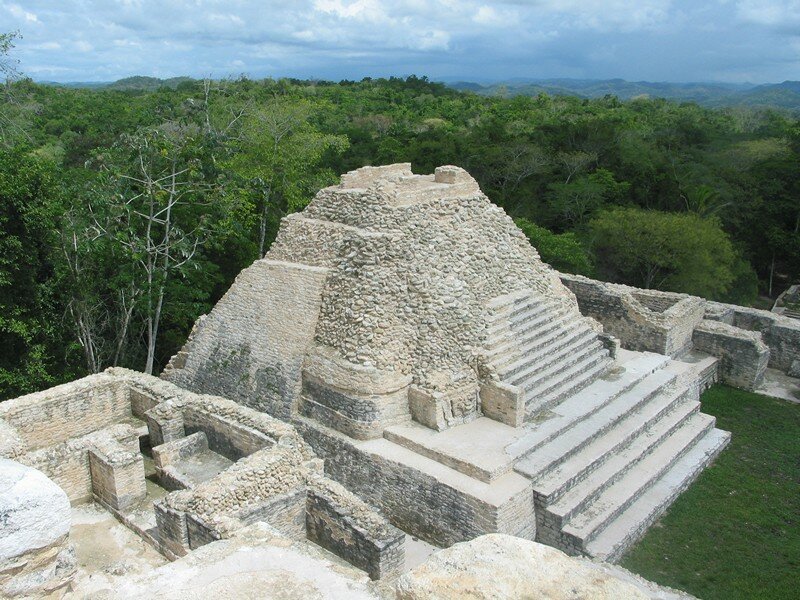
Apart from breathtaking natural experiences, La Milpa also offers the chance to experience the rich history of the Maya civilization through a tour of the majestic La Milpa Archaeological Site. At this third largest archaeological site in the country of Belize, a royal Maya tomb and a male skeleton adorned with a jeweled necklace have been found. Other activities at La Milpa include hiking nature trails, jungle trekking, and birding. Avid birders often compile lists of more than 150 species during a three-day trip.

La Milpa Eco-Lodge and Research Center

Tambopata Research Center, Peru

The last three destinations here are a group of Rainforest Alliance Verified lodges owned by Rainforest Expeditions that have made an outstanding commitment to protecting diversity in the region. The Tambopata Research Center (TRC) is an excellent place for nature lovers, especially birders , as it is located in the Tambopata National Reserve and just a short distance from the world's largest clay lick for macaws and parrots. The small, simple, and comfortable lodge grants access to trails leading to different types of habitats where various species of animals can be observed, including 16 different species of parrots. The TRC has been funding research and conservation projects for large parrots and macaws for over 15 years.

The adjoining natural areas of Tambopata National Reserve and Bahuaja-Sonene National Park protect more than 3.7 million acres (1.5 million hectares) of diverse habitats that have one of the highest levels of biodiversity in the world. The region is home to healthy populations of several species that require large ranges, such as the jaguar, giant river otter, tapir, macaw, and harpy eagle.

Tambopata Research Center

Posada Amazonas, Peru

Located in the private Puerto Maldonado reserve, close to Tambopata National Reserve - which holds one of the highest levels of biodiversity in the world, the Posada Amazonas eco-lodge offers countless opportunity to spot a stunning range of flora and fauna.

This eco-lodge offers many exciting activities such as hikes to the parrot clay lick, a wildlife observation tower, two large ceiba trees, and a lake where guests frequently enjoy sightings of the giant river otter; visits to the ethnobotanical center and a local farm;  "voluntourism" opportunities; adventure tours; holistic programs; and birdwatching hikes.

Posada Amazonas is co-managed by Rainforest Expeditions and the indigenous community of Infierno, which has invested the earnings from tourism in a local high school and infrastructure for running water, training in accounting, leadership, and organization, and conservation guards and concessions). The community receives 60% of the profits from Posada Amazonas, while Rainforest Expeditions keeps 40%.

Posada Amazonas

Refugio Amazonas, Peru

Refugio Amazonas is the third of the Rainforest Expeditions-managed initiatives, and is located four hours upriver from Puerto Maldonado. This eco-lodge is the perfect place to combine a relaxing nature holiday with a unique learning experience. Guests can discover Amazonian culture and enjoy many adventure activities such as sea-kayaking, canopy climbing, bicycle touring, and fishing.

Just like the Tambopata Research Center and Posada Amazonas, Refugio Amazonas is also located in the adjoining natural areas of Tambopata National Reserve and Bahuaja-Sonene National Park. The Reserve harbors more than 1,300 species of birds, 200 species of mammals, 90 species of amphibians, and 10,000 species of vascular plants.

In addition to its impressive ecological conservation efforts, the eco-lodge contributes to the well-being of the local community in various ways, such as involving local farmers and gatherers and hiring local people from the indigenous community of Infierno who have received training at Posada Amazonas.

Refugio Amazonas

These impressive eco-lodges show that unforgettable vacation experiences are possible when nature is intact and respected. For more information about how you can contribute to biodiversity conservation while travelling, visit our Sustainable Tourism page.

The Secrets of Costa Rica’s South Pacific

Visiting Costa Rica´s Southern Pacific region feels like  a new world; bountiful nature  and vibrant shades of green provide a welcome boost of fresh air and rejuvenation. A surprising range of biodiversity can still be found here. National Geographic has called it "one of the most biologically intense places on earth".

Southern Pacific of Costa Rica

Costa Ballena – The Doorway to the South

The Costa Ballena, or "whale coast" is located at the northern end of this beautiful part of Costa Rica. Its captivating coastline includes beaches such as Playa Dominical, Playa Uvita, and Playa Tortuga, which offer various water sports such as snorkeling, kayaking, diving, surfing, and scuba diving. The Terraba-Sierpe River is home to one of Costa Rica's largest mangroves. Marino Ballena National Park features the Pacific Coast's largest coral reef and is visited each year by various species of whales and dolphins, including the majestic humpback whale.

La Cusinga Ecolodge

Tucked away in a 600-acre private rainforest reserve, La Cusinga is nestled in the hills and overlooks the jungle and ocean. Its ten rustic cabins have an environmentally-friendly design and its open-air restaurant provides fresh foods from the hotel's own farm. The lodge's active environmental and social efforts include reforestation projects, environmental education in local schools, and much more.

La Cusinga Ecolodge

Hotel Villas Río Mar

Located on the banks of the Barú River just 2,624 feet (800 meters) from the beach, Hotel Villas Río Mar is  walking distance from the popular Dominical village and beach, which is popular for its excellent surf. The hotel incorporates its natural surroundings and boasts large gardens. Regular clean-up campaigns on the beach, waste separation, and the use of solar panels to heat water are part of the environmental preservation activities undertaken by hotel, whereas social activities include participation in various community development committees and cooperation with local institutions such as schools, police, and religious organizations.

Hotel Villas Rio

Mar y Selva Ecolodge

Facing the beautiful Marino Ballena National Park, Mar y Selva Ecolodge is located only 1.2 miles (2 kilometers) from the beach and offers numerous activities such as swimming in the semi-Olympic pool, indulging in a massage, and listening to the sounds of nature from the terraces.  The more adventurous can rent mountain bikes or kayaks and explore the surroundings, Nearby activities include horseback riding, canopy tours, hiking, bird-watching, and much more. The ecolodge's dedication to preserving the natural and social environment is reflected in its waste management, energy conservation, support of a local school, and donations to various causes,

Mar y Selva Ecolodge

Bodhi Surf School

Located in the authentic and beautiful town of Uvita, Bodhi Surf School combines inner and outer wellness with its surf lessons as well as surf and yoga packages. A personalized surfing experience that teaches how to connect with nature is enhanced by the opportunity to increase inner awareness through yoga, and social awareness through participating in community projects. The school incorporates conservation in its business practices and cooperates with a wide variety of local community and international programs.

Bodhi Surf School

Osa Peninsula - the Tranquil South

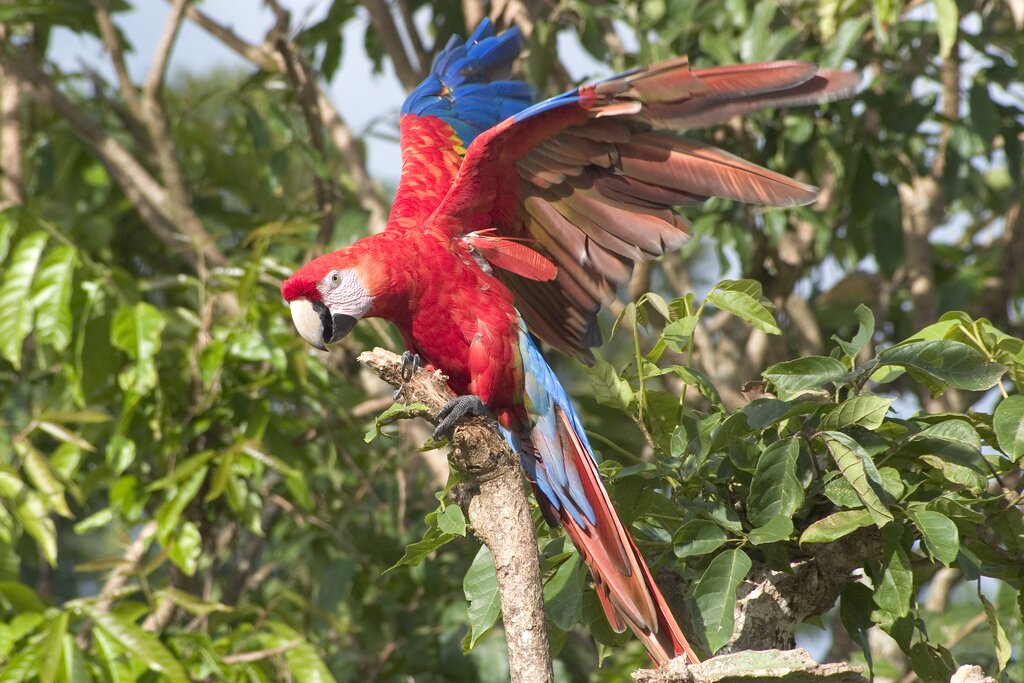
The perfect starting point for the Osa Peninsula, Drake Bay, is located in between this area's two main attractions. The first is Corcovado National Park, one of the only untouched costal rainforests in the world. The park's wide variety of ecosystems hosts an astonishing range of wildlife such as scarlet macaws, jaguars, pumas, the harpy eagle, and other endangered species. Besides being one of the country's most exciting scuba diving spots, Caño Island Reserve is home to mysterious pre-Colombian stone spheres, all of which are hand-carved . Some researchers believe that the indigenous population made these spheres to represent the Earth and the cosmos, whereas others claim they served as ancient navigational markers.

The Golfo Dulce Reserve and Piedras Blancas National Park conclude the southern area of Costa Rica, and together with Corcovado National Park they form a biological corridor that connects multiple wildlife refuges. The secluded beaches and bays along Golfo Dulce provide calm waters for peaceful swimming and unique opportunities to spot rare and endangered wildlife.

Casa Corcovado Jungle Lodge This lodge is the perfect starting point to explore Corcovado and Caño Island. Not only is it located in impressive natural surroundings, it has also been awarded the highest level of certification from the national Certification for Sustainable Tourism program (CST). Some of Casa Corcovado´s conservation activities include recycling, the use of alternative energy sources, and active community involvement. Its bungalows are designed in an eco-friendly way and nestled into the lush natural surroundings to ensure optimal privacy.

Casa Corcovado Jungle Lodge

Lapa Ríos Ecolodge

Lapa Rios Ecolodge is a unique ecolodge designed in harmony with the surrounding forest and beach environment, overlooking the pristine point where the Golfo Dulce meets the wild Pacific Ocean. Lapa Rios has won worldwide awards for social and environmental excellence; guests  support rainforest conservation and help the lodge provide direct employment and income to more than 50 families in the area. Moreover, the lodge protects and preserves 1,000 acres (40 hectares) of primary and secondary rainforest in the Lapa Rios private reserve.  It also engages with the local community by providing education and job training, and educates guests about rainforest conservation and the local culture.

Lapa Rios Ecolodge

Playa Nicuesa Lodge

Playa Nicuesa Rainforest Lodge is located on a 165-acre (67 hectare) private preserve. Reachable only by boat, the lodge has been uniquely designed to enable an intimate encounter with pristine nature, while at the same ensuring its preservation. With the ocean in its front yard and thousands of acres of tropical rainforest in its backyard, beach, nature, and adventure activities abound and provide the basis for plentiful educational opportunities.

Southern Pacific of Costa Rica

Golfo Dulce Lodge

The Golfo Dulce Lodge is a private nature reserve protecting approximately 750 acres (300 hectares) of tropical lowland primary rainforest and secondary forest. This remote, certified eco-lodge is only accessible by boat and thus enables an incomparable natural experience. The lodge's conservation efforts are nearly as plentiful as the wildlife in the surrounding area, and include the eco-friendly construction of the lodge, staff education on sustainability topics, regular beach clean-ups, and much more.

title=

Exploring Sustainability in Guatemala

There are only a few places in the world that offer an exciting mix of ancient and modern cultures with an incredible diversity of natural resources like Guatemala.  Here we feature some of the most beautiful cultural and natural attractions the country has to offer.

Antigua is a beautiful colonial city with cobblestone streets, colorful houses, interesting museums, colonial churches, and an active nightlife. There are also many tour operators in the city that offer activities like hiking, mountain biking, and most excitingly, tours to climb one of the nearby volcanoes.  Chichicastenango is home to an indigenous market where you can immerse yourself in the local culture, find authentic crafts, and improve your bargaining skills.  After wandering the busy markets all day long, the nearby Lake Atitlan offers a welcome rest, providing picturesque views of the tranquil lake ringed by three different volcanoes. One of the most famous highlights in Guatemala is the ancient site of Tikal, home to spectacularly well-preserved Mayan ruins. The surrounding rainforests of the Maya Biosphere Reserve are teeming with exotic wildlife such as jaguars, scarlet macaws, monkeys, and more.  The nearby colorful village of Flores offers a Caribbean climate and atmosphere; for an even deeper immersion in the Caribbean culture, the town of Livingston can be reached on a beautiful boat trip across the Rio Dulce.

Sustainable tourism has recently gained importance in Guatemala, and the Rainforest Alliance has been working with partners like the GREAT Green Deal program, the Guatemala Tourism Board (INGUAT), the Chamber of Tourism, the Universidad del Istmo, and the Guatemalan Exporter's Association to promote Guatemala as a sustainable tourism destination, train business owners in best management practices, and promote sustainable hotels and tour operators to travelers. On September 28th, the Rainforest Alliance will launch the Tour Operators Promoting Sustainability, or TOPS, a network of Rainforest Alliance Verified tour operators from Mexico, Guatemala, Nicaragua, and Costa Rica.

As a result of all of this hard work, we are excited to feature 16 Rainforest Alliance Verified and 12 GREAT Green Deal certified businesses in SustainableTrip.org.

Here we feature three fun and beautiful hotels that meet the Rainforest Alliance's strict standards for sustainability:

Hotel Villa Colonial

Located in the picturesque center of Antigua along a traditional cobblestone street, this colonial-style hotel offers 54 beautiful rooms and is highly committed to sustainability. Cornerstones of the hotel's sustainability approach are socially responsible environmental conservation, promoting the development of local communities, and supporting local cultures.

Porta Hotel del Lago

Asmember of the Porta Hotels chain, this hotel is located on the beautiful Lake Atitlan and framed by the three impressive volcanoes. The local community is very much involved in and supported by the hotel as it promotes local handicrafts, businesses and services, hiring and training of local staff, fostering understanding and respect for indigenous cultures and customs, and promoting visits to local tourism sites and communities.

Takalik Maya Lodge

This former coffee farm was converted into a hotel to support the 22 families that live and work on the farm. In the process, 25 acres (10 hectares) of forest were dedicated as a private natural reserve. Meanwhile, 29 local residents are employed at the hotel and benefit from a higher standard of living. The hotel moreover promotes tours to the Takalik Abaj Archeological National Park and is a member of the Latin American Community Tourism Network.

Ecuador - Where Hemispheres Meet

Ever wondered what it feels like to visit the middle of the world? Ecuador, divided in half by the equator between the northern and southern hemispheres, provides the answer. This culturally rich and naturally diverse country offers something for everybody's interests - here's a snapshot of the adventures and sustainable accommodations you'll find in Ecuador's main regions: the Galapagos Islands, the Pacific Coast, the Amazon rainforest, and the Andes Mountains.

The Capital City - Quito

San Francisco de Quito, usually called Quito, is Ecuador's capital.   Originally built on the site of an Inca city in the 16th century, the city's original name is Quitsa-to, which means "middle of the world" in the Tsachila language. Quito is often described as melting pot of art and culture and was declared UNESCO World Heritage Site in the 1970s for its well-preserved historic centre, which includes a wide variety of attractions such as the Independence Plaza, the Government Palace, the Cathedral and the churches of Sagrario, San Agustín, San Francisco, La Compañía, La Merced, La Basílica del Voto Nacional, and Santo Domingo, as well as various museums and beautiful colonial architecture.

Hotel Fuente de Piedra II

Located in the centre of La Mariscal, one of the most traditional and touristic areas in the capital city, this three-star colonial style hostel was built in 2001. It's authentic décor, food, and service makes you feel right at home.

Hotel Patio Andaluz

As part of the original estate grounds of the city, this colonial-style, antique house is located in the historic heart of Quito, close to all the attractions of the city's historic center.

JW Marriot Hotel

This is the first five-star hotel in the country to receive Rainforest Alliance VerificationTM for its social and environmental efforts. Located close to the historic centre of Quito, this luxurious hotel offers stunning views, tropical gardens, and innovative cuisine.

The Middle of the World

Just 9 miles (15 km) from Quito lies the world's only site where the equatorial line crosses over highlands, as opposed to jungle or ocean. The equatorial line is demarcated with the "Mitad del Mundo" monument (meaning "middle of the world"), and an on-site museum offers fun experiments, such as observing how water drains into two different directions in the two different hemispheres. Mitadmundo.com offers more information and a beautiful online panaromic view.

Magical Galapagos Islands

Perhaps Ecuador's most famous attraction is the Galapagos Islands. Located about 620 miles (1,000 kilometers) from the mainland, this archipelago consists of 13 islands brimming with charismatic, exotic wildlife and unforgettable natural landscapes.  Charles Darwin formed his theory of evolution here, and the Galapagos were named the first UNESCO World Heritage Site in 1978.  There are a variety of ways to enjoy the Galapagos – on a tour boats, group tours, and wonderful hotels.

Ecoventura – Galápagos Network

Ecoventura offers cruises to the impressive Galápagos Islands, , with extraordinary natural diversity and beauty. With comfortable rooms, small groups, high levels of service and cuisine, this is destined to be an unforgettable experience.

Surtrek Ecuador & Galapagos Tours

This Ecuadorian tour operator offers high quality, first-class service, customized and luxurious tours, incentive trips, and special events for unique and unforgettable travel experiences to the Galapagos, as well as other regions in Ecuador.

Royal Palm Hotel

This luxurious hotel offers comfort, service, and quality at the highest international standards, combined with an extraordinary natural setting surrounded by tropical forest and the highlands of the Cruz Island of the Galapagos archipelago. Conservation efforts range from the very construction of the hotel to reforestation, comprehensive recycling programs, and much more.

Exploring and Enjoying Nature

In addition to its myriad of cultural highlights, Ecuador is one of 17 megadiverse countries in the world, according to Conservation International.  The Ecuadorian government is committed to its protection - the national constitution recognizes the rights of nature, 19% of the country is held within protected areas, and the "Buen Vivir" (good living) national plan aims to sustainably conserve and manage the country's natural heritage.  In addition to the Galapagos Islands, Ecuador's mountains and volcanoes, cloud forests, Amazonian rainforests, and stunning coastline offer a playground for nature and adventure lovers looking to go white-water rafting, kayaking, surfing, scuba diving, mountain climbing, biking, hiking, bird and whale watching, and more.

Here's a highlight of some of the best hotels Ecuador has to offer:

Pacific Coast: 

Equus Erro Hostería

Located near Machalilla National Park, one of the most environmentally-fragile areas of the country, where the mountains meet the sea, this bed and breakfast is a paradise for lovers of nature and culture. There are opportunities for whale- or bird-watching, visits to archeological sites, and more.

Casa Ceibo Boutique Hotel & Spa

Surrounded by diverse natural settings including wetlands, mangrove islands, wet and dry tropical forests, and ocean, this is the perfect spot to relax your senses. Along the coast, a multitude of towns offer opportunities for traditional cultural experiences.

Amazon Rainforest

Yarina Ecolodge

This lodge is located in a lush private rainforest reserve rich in plant and animal species such as monkeys, caimans, tapirs, capybaras, a variety of birds, and many beautiful plant species.  Top-notch nature viewing opportunities are combined with top-quality service, and a commitment to conservation and supporting the local indigenous community.

Napo Wildlife Center

The location of this eco-lodge is just one of its special features - in terms of plant species, the Yasuní Biosphere Reserve is the second-most biodiverse forest in the world. The local indigenous Kichwa community plays an active part in the conservation of its natural surroundings and offers unique cultural experiences such as learning about ancestral ways of life, local cuisine, handicrafts made of plants by local women, and an interpretation center where shamans recreate cleansing rituals. If you would like to learn more about this eco-lodge, an interesting recent interview can be found here.

Andes Mountains

Termas de Papallacta Spa & Resort

Located only one hour from Quito, this special resort forms the gateway to the Amazonian forest. The hotel has a number of luxurious pools fed by natural hot springs, a number of spa services, making it a perfect escape from the stress of daily life.

Santa Lucía Lodge

This lodge is located in the Santa Lucía Reserve, which contains more than 80% of the primary forest in the western Andes.  This lodge is an unforgettable place for nature-lovers and ideal for bird-watchers – visitors have the chance of seeing rare bird species like the plate-billed mountain toucan (Andigena laminirostris) , Andean cock-of-the-rock (Rupicola peruviana), as well as mammals such as pumas, spectacled bears, and more. .The Reserve also has a number of waterfalls, incredible panoramic views, and even Inca ruins.

Hacienda Hato Verde

An excellent destination for those wanting to visit Cotopaxi National Park, Hato Verde is a charming restored cattle ranch. With warm hospitality, fine cuisine and a familiar atmosphere, you will feel right at home.

Hacienda Manteles

Those traveling to the hot springs of Baños will want to visit Hacienda Manteles, a beautiful and elegantly-decorated ranch house just 13 miles (21km) away. Its location between the Sangay World Heritage Site and the Llanganati National Park make it a great destination for horseback rides, mountain biking, canopy zip-lines, whitewater rapids, bird watching  and more.  The hotel also has amazing views of the active Tungurahua volcano.

Ecuador´s Sustainable Tourism Certification

The SmartVoyager Sustainable Tourism Program

To help protect Ecuador's natural and cultural riches, in 2000 the conservation organization Conservación  y Desarrollo (C&D) launched the SmartVoyager program, initially focusing on the tour boats that travel to the Galapagos Islands.

Rainforest Alliance VerificationTM

As you can see, Ecuador is an amazingly diverse country, with countless adventures waiting for you!  Learn more about Ecuador on our "Destinations" page, and check out all of the hotels and tour operators in Ecuador featured on SustainableTrip.org.

The Rainforest Alliance currently works with 35 tour operators and more than 100 hotels in Ecuador, as well as with the Ministry of Tourism to promote Ecuador as a tourism destination through trade shows and presentations, publications, advertisements, press trips and other special events. For more information about Ecuador, visit SustainableTrip.org.

Sustainable Vacations – Is your Trip Certified? 

In order to enjoy a truly sustainable vacation, the accommodation you choose is crucial. Confronted with a myriad of different resorts, hotels, bed and breakfasts claiming to be committed to environmental and socio-cultural conservation, it can be very confusing to know which ones really are taking steps to conserve natural resources and support their local communities. There is an easy solution – choose hotels that participate in a sustainable tourism certification program, like those we feature in SustainableTrip.org.

Certification programs audit hotels – some also audit tour operators, restaurants, transportation companies, and tourist attractions - using an extensive set of environmental, social and economic criteria – those that meet a minimum level of compliance with these criteria become verified or certified and earn the right to use the certification company's logo, making them easy to identify.  On SustainableTrip.org's business profiles, we feature information about which sustainable tourism program each business participates in on the right-hand side of the page.

Below is a list of the major sustainable tourism certification programs currently working in the Americas:

Global Sustainable Tourism Council

 
In recent years, a multitude of certification programs have appeared, again raising the question, "How do I know which one is legitimate?" The recently founded Global Sustainable Tourism Council (GSTC) provides some guidance through the jungle of certification programs. This international initiative, comprised of renowned sustainability experts, has created a set of minimum sustainability criteria which certification programs must comply with in order to eventually obtain GSTC accreditation. It is however important to remember that GSTC is not a program which certifies sustainable tourism businesses, but rather a "certifier of certifers" – it accredits certification programs to ensure that their criteria meet identified baseline standards.

Rainforest Alliance VerificationTM

The Rainforest Alliance Verification program closely follows the GSTC's criteria and was among its founding members. It is often asked why the Rainforest Alliance does not certify, but rather verifies tourism businesses. Since there are already a number of high-quality certification programs, verification is an effective way to evaluate and improve businesses' commitment to sustainability, measuring their progress and helping to prepare them to become certified.

Once a business is Rainforest Alliance Verified, it needs to become certified within two years by a certification program that belongs to the Sustainable Tourism Certification Network of the Americas (STCNA), a network  of certification programs, public and private entities that promote certification and other environmental, tourism-related and academic organizations, all aiming to share information, reach out to other relevant programs, identify training needs and define a progressive market strategy. Below is an overview of the STCNA members:

Certification for Sustainable Tourism (CST) – Costa Rica

CST was launched in 1997 and it currently provides certification services to hotels and tour operators.  It seeks to categorize and certify each tourism company according to the degree to which its operations comply to a model of sustainability. To this effect, four fundamental aspects are evaluated:

  • Physical-biological parameters
  • Infrastructure and services
  • External clients
  • Socio-economic environment

Green Globe - Global 

Green Globe is the worldwide benchmarking and certification program which facilitates sustainable travel and tourism for consumers, companies, and communities. It is based on Agenda 21 and principles for Sustainable Development endorsed by 182 governments at the United Nations Rio de Janeiro Earth Summit in 1992. There are four Green Globe Standards - The Company Standard; the Standard for Communities; the International Ecotourism Standard;  and  the Design and Construct Standard.

Green Seal – United States 

Green Seal  is  a non-profit organization  founded  in 1989, with  a mission dedicated  to safeguarding  the environment and  transforming  the market place by promoting the manufacture, purchase and use of environmentally responsible products and services.

Green Deal – Guatemala 

Green Deal provides certifications for: hotels, resorts & spas, eco-lodges & rural-lodges, restaurants, tour operators, transportation business and community based tourism projects. Our evaluation tools are based on the Global Sustainable Tourism Criteria, and our prices are suited for small and medium sized enterprises.

Mexican Regulation NMX-AA-133-SCFI-2006 - Mexico 

The purpose of the Ecotourism certification through the Mexican Regulation NMX-AA-133-SCFI-2006 is to consolidate tourism products that incorporate optimal sustainable performance to achieve environmental, social and economical benefits, and at the same time become more competitive in the tourism industry.

Smart Voyager - Ecuador 

The Smart  Voyager program was  created by the conservation organization Conservación  y Desarrollo (C&D) in 1998 and was launched to the public in 2000. The program aims to minimize the environmental impacts from tourism, especially in fragile ecosystems such as the Galapagos Islands.

Sustainable Tourism Eco-Certification Program (STEP) – United States 

STEP is the world's first comprehensive, global sustainable tourism eco-certification program offered by a non-profit organization, which is aligned with the minimum baseline Global Sustainable Tourism Criteria and impending global accreditation. STEP is designed to be user-friendly, educational in nature, practical as a measurement and management tool, and applicable to tourism businesses of all sizes, including newcomers to sustainability, those wanting to improve their existing approach, and businesses that have long-standing sustainability programs. Companies in all sectors of the travel and tourism industry and communities can be eco-certified through STEP.

Sustainable travel myth: "It’s just for backpackers." Our Top 5 Sustainable Luxury Destinations

We're here to debunk one of the most prevalent sustainable travel myths: that it's "just for backpackers." Read on for SustainableTrip.org's Top 5 High-End Destinations that embrace luxury AND sustainability.

People from all walks of life are looking to make eco-friendly travel choices, but unfortunately, many believe the myth that sustainable tourism is just for backpackers. The truth is, there are tons of hotels in every price range that have made the commitment to protect the environment and support local communities. SustainableTrip.org features over 300 sustainable tourism destinations--more than a hundred of which are luxury accommodations. So whether you're planning your next trip or just need a little desk vacation, check out 5 of our Top High-End Destinations that embrace luxury AND sustainability:


1. Hamanasi Adventure & Dive Resort, Belize

A Belizean wonderland: An elegant resort nestled between the majestic Maya Mountains and the turquoise Caribbean Sea. Guests can stay in intimate, private treehouses or in one of the luxurious suites, all of which are surrounded by orchids and birds, furnished with Belizean hardwood, and boast breathtaking ocean views. Visit Hamanasi's on-premise dive and snorkel center to prepare for a tropical underwater adventure, or stay onshore and explore Mayan ruins and lush rainforests with a licensed Belizean tour guide.

Making a Difference: Hamanasi Resort is certified by Green Globe, a member of the Sustainable Tourism Certification Network of the Americas. In addition to onsite sustainability practices, Hamanasi is involved in several programs benefiting the local community, including the "Back to School Backpack Project," through which they give backpacks and school supplies donated by guests to local schools.

More information about Hamanasi Adventure & Dive Resort


2. Inkaterra Machu Picchu Pueblo Hotel, Peru

Peruvian luxury and authenticity: A boutique hotel in the style of a rustic Andean village, where guests follow stone pathways to their rooms located in beautiful white casitas. This inviting refuge offers guests an authentic travel experience, an atmosphere of refinement and hospitality, and a chance to visit the enigmatic wonder that is the ancient citadel of Machu Picchu. Partake in numerous nature activities or relax in an Andean eucalyptus sauna, followed by a massage or a star-lit dip in the pool.

Making a Difference: Inkaterra Machu Picchu Pueblo Hotel is Verified by the Rainforest Alliance and was SustainableTrip.org's "Making a Difference" award winner in August 2010. Inkaterra is a Peruvian organization with 35 years of experience in sustainable tourism, conservation, and research initiatives. In 2001, the hotel founded an organization called Inkaterra Asociación (ITA) to support social development programs and diverse research, conservation, and education projects.

More information about Inkaterra Machu Picchu Pueblo Hotel


3. Hacienda Tres Ríos Resort, Spa & Nature Park, Mexico

A beachfront paradise: An all-inclusive resort, boasting luxury suites with a modern Mexican design aesthetic inspired by the traditional hacienda style, featuring local mahogany and Mexican marble floors and bathrooms. Most suites have a jacuzzi and views of the Caribbean Sea. Guests can enjoy two sparkling pools, nearby private yacht club and equestrian center, a premium spa featuring the unique temazcal bath experience, guided eco-park tours, snorkeling, and three rivers for swimming, kayaking, and bird watching, in addition to a pristine private beach on the famed Riviera Maya.

Making a Difference: Hacienda Tres Ríos Resort is certified by Green Globe, a member of the Sustainable Tourism Certification Network of the Americas, and was SustainableTrip.org's "Making a Difference" award winner in November 2010. The hotel was designed to reduce electricity consumption from A/C by 38% and from lighting by 70%. In addition to using 100% biodegradable products and recycling 100% of solid waste, the resort's custom-designed operating systems reduce water consumption by 40%.

More information about Hacienda Tres Ríos Resort, Spa & Nature Park


4. Si Como No Spa & Wildlife Refuge, Costa Rica

A Costa Rican oasis: One of the best-known and most celebrated boutique resort hotels in Costa Rica, Si Como No is the crown jewel of the Greentique Hotels Collection. Its 58 rooms are literally contoured into the jungle hillside overlooking the Pacific Ocean, most with private balconies and ocean views. Guests are immersed in a Costa Rican experience born of the surrounding jungle habitat. The resort features a spa offering world-class treatments, an adjacent 30-acre private wildlife refuge, and guided adventure tours.

Making a Difference: Si Como No is one of only four hotels in the Costa Rica to receive "five leaves" - the highest rating available from the Certification for Sustainable Tourism program. The hotel has systems that conserve water and use bio-digesters to treat solid waste. Organic waste from the kitchens is converted to organic compost through a Japanese method called "Bocashi," and all glass, plastic, and aluminum containers are recycled.

More information about Si Como No Spa & Wildlife Refuge


5. Casa Ceibo Boutique Hotel & Spa, Ecuador

Ecuadorian beauty and charm: A boutique hotel on the coast of Ecuador, just three miles (five kilometers) from the enchanting city of Bahía de Caráquez. Casa Ceibo features 18 luxurious rooms furnished with pieces made by local craftsmen from the finest wood of the area, complemented by beautiful stained glass windows. Guests can visit numerous villages along the coast to get a glimpse into Ecuadorian traditions both old and new, such as watching a local artisan weave an authentic Panama hat or picking out a tagua-nut necklace from a village vendor. Nature lovers can venture out to Isla Corazón (Heart Island) or the unique Cabo Pasado forest.

Making a Difference: Casa Ceibo is certified by Smart Voyager, a member of the Sustainable Tourism Certification Network of the Americas, and was SustainableTrip.org's "Making a Difference" award winner in May 2011. Casa Ceibo is involved in several sustainability projects, including the reforestation of a nearby mangrove swamp, an environmental education club for local children, and a water purification program that benefits the local community.

More information about Casa Ceibo Boutique Hotel & Spa


There you have it! Luxury and sustainablility really do go hand-in-hand at these amazing destinations. Don't be shy--leave a comment and let us know what you think! If you're looking for more sustainable travel recommendations or advice, shoot us an email at info@sustainabletrip.org.

A Special Anniversary for Peru

Mentioning Peru usually brings up a myriad of images - exotic street markets, colorfully dressed indigenous people, verdant mountains, lush valleys, adventurous jungles - and of course, one of the world's most famous attractions, the ancient Inca site of Machu Picchu.

Located in the Urubamba Valley, this ancient city was restored and declared a UNESCO World Heritage Site in 1981, as well as voted one of the New Seven Wonders of the World in 2007.

If you have always dreamed of visiting this magical destination, then this could be the perfect year - 2011 marks the 100th anniversary of Machu Picchu's rediscovery! Celebrations are being held across the country, but the good news is that if you can't make it to Peru, the festivities can be experienced and enjoyed online...keep reading!

Discovery of Machu Picchu

Did you know that Machu Picchu was actually discovered by accident? On July 24th 1911, American historian Hiram Bingham set out on an expedition to discover a hidden Inca city in the Urubambu jungle.  On the expedition, the local Quechua people showed him their "old peak" - what was Machu Picchu. Like Columbus, who believed that he had landed in India when in fact he had discovered the Americas, Bingham thought he had discovered Vilcabamba, another ancient Inca city.

Celebrating Machu Picchu's Anniversary

On July 7th 2011, Peru celebrated Machu Picchu's anniversary with a wonderful show of dance, lights, fireworks, and music. Upcoming centennial events include fairs, a film festival, conferences, the launch of a commemorative postage stamp, and an international photography competition.  You can check out the calendar of events at: www.machupicchu100.org.pe/en/category/events/page/2/.

Discover Machu Picchu with the Rainforest Alliance

SustainableTrip.org currently features 13 sustainable hotels in Peru. You can enjoy the magic of Machu Picchu at the following beautiful and sustainable hotels:

Inkaterra Machu Picchu Pueblo Hotel

This hotel is located on 12 acres of private gardens sounded by impressive mountains, right on the Machu Picchu reserve. Offering beautiful trails which pass through magnificent gardens and waterfalls, and enable close encounters with wildlife, this hotel truly provides a unique and relaxing experience. The inviting and authentic, yet refined atmosphere of the hotel provides the perfect starting point to learn more about nature and the mysteries of the Inca civilization. Moreover, Inkaterra, a Peruvian organization with more than 35 years of experience in sustainable tourism, conservation, and research, ensures that your stay will help to support the hotel's natural resource conservation and local community development efforts.

Sumaq Machu Picchu Hotel

This luxurious hotel is optimally located on the banks of Vilcanota River, right at the foot of the Machu Picchu ruins. The quiet and expansive rooms are immersed in nature and have been designed and decorated to celebrate Incan culture. Sustainability plays an important role at this hotel -  the entire staff is committed to preserving this archeologically and naturally pristine location. The hotel management implements various policies and activities to conserve natural resources and support the local community; it also holds training workshops for staff and provides educational materials for guests and partners.

Discover Machu Picchu Online

If you can't make it to Machu Picchu during this very special year, there are plenty of websites where you can experience and celebrate the 100th annivesary. Here is a selection of some of the best sites:

  • Inkaterra Hotels in Peru launched Inkaterra TV, a website that has a live feed from Machu Picchu throughout the anniversary celebrations.
  • National Geographic's website has amazing photos of Machu Picchu.
  • A slideshow with photo's of the impressive official celebration of Machu Picchu's discovery anniversary.
  • A fun virtual tour of Machu Picchu in honor of the 100th anniversary.

A Tour of Costa Rica’s Cloud Forests in Monteverde

This is the second part of our series on the Rainforest Alliance's work in sustainable tourism. Today we move onto the Northern Plains region of Costa Rica, this time introducing the beautiful cloud forests of Monteverde and some of the wonderful Rainforest Alliance Verified accomodations in the area.

Monteverde is one of the most popular tourism destinations in Costa Rica. The abundance of lush green mountains and the mysterious cloud forests which boast an impressive variety of flora and fauna – such as the elusive resplendent quetzal - have contributed to its reputation as the "green jewel of Costa Rica". A visit to Monteverde seems like a visit to nature's playground - not only is the ecosystem home to more than 2,500 plants, and countless mammals and insects, there are a multitude of ways to explore this green world: canopy tours give you an exciting view of the rainforest from above, hanging bridges allow a slower immersion in the forest, numerous nature trails offer independent or guided tours, or for a completely different experience, the skytram offers comfortable guided tours. Bird-watchers find a true paradise here, with  more than 400 different species and a chance to these the beautiful and elusiveresplendent quetzal. Other exciting activities include night tours of the cloud forest, tours of a cheese factory or coffee farm, horseback riding, biking, or a visit to one of the many butterfly and frog exhibitions in the area.

SustainableTrip.org features several hotels in Monteverde that are working hard to conserve natural resources and support the local community:

Hotel Belmar

Nestled in the mountains of Monteverde, this cloud forest hotel is not only Rainforest Alliance Verified, it also earned 4 out of 5 sustainability leaves from the Costa Rican Certification for Sustainable Tourism (CST) program. Sustainability is a key aspect of the hotel's philosophy; for example, skylights  provide natural lighting in the hotel during daytime and energy-saving fluorescent lights have been installed in 90% of the hotel. Moreover, biodegradable paints and cleaning materials are used around the entire hotel, the garden is maintained naturally without agrochemicals, and the food is mainly organic and locally-sourced. Hotel Belmar also treatsits wastewater with a biodigester to produce bio-gas, which is used as energy to warm the Jacuzzi. A stay at Belmar inspires guests to not only live sustainability while on vacation, but to take a sustainable approach to life home with them.

Hotel Heliconia

Located near the Monteverde Cloud Forest Preserve and the Santa Elena Rain Forest Reserve, this beautiful hotel integrates sustainability throughout all of its operations. Staff at the reception desk makes informational signs for guest rooms and explain the hotel's sustainability program to guests during check-in. The purchasing department ensures that all products acquired are biodegradable. Hotel maintenance staff contribute by  building separate recycling waste containers to be placed in all common areas of the hotel. Moreover, the hotel has purchased a farm, called Heliconia Rancho Cabecerasm, where dairy products, pork, and poultry are produced. In addition, an earthworm organic compost system has been installed as well as a biodigestor to produce methane gas to be used as fuel.

Hotel El Establo

Located in the heart of Monteverde's main tourism area, this hotel is a converted cattle ranch that implements modern day technology to ensure high-level sustainability and engages staff as well as guests in achieving this goal. More than 80 percent of the property is covered with forests, and the hotel has technologically advanced water treatment plans and a highly efficient computerized system to manage energy use

The Rainforest Alliance is currently working on a sustainable tourism development project with the Monteverde Chamber of Tourism, sponsored by the CRUSA Foundation that provides four hotels and a local tour operator with the technical skills they need to earn Rainforest Alliance Verification. Robert Bailes, a consultant working on the project, explained to us that Monteverde is a unique and important location for sustainale tourism. With 50,000 hectares of cloud forest, it is the biggest and oldest private reserve in Costa Rica and receives between 200-250,000 tourists annually - a significant number, considering that the area is home to only 6,500 permanent residents. According to Bailes, the importance of Monteverde as a sustainable tourism destination has raised local environmental awareness and has motivated the participation of local tourism businesses. The Rainforest Alliance will evaluate participating hotels in mid-July, and will help contribute to the sustainable tourism development of Costa Rica's "green jewel".


An Inspiring Coffee and Sustainability Tour at Finca Rosa Blanca

An Inspiring Coffee and Sustainability Tour at Finca Rosa Blanca

This past Tuesday, members of the Rainforest Alliance's Costa Rican agriculture and tourism team enjoyed a staff development event at Hotel Finca Rosa Blanca. The aim was to provide a first-hand experience of a Rainforest Alliance CertifiedTM coffee farm and VerifiedTM hotel to learn more about sustainable practices "in the field."

Finca Rosa Blanca Coffee Plantation and Inn

After a beautiful ride through the verdant hills of the Central Highlands of Costa Rica, we arrived at this boutique hotel and organic coffee plantation, making this a perfect location for our outing.

Welcomed by owner Glenn Jampol, we headed to the conference room to learn more about the story of how this impressive location began.

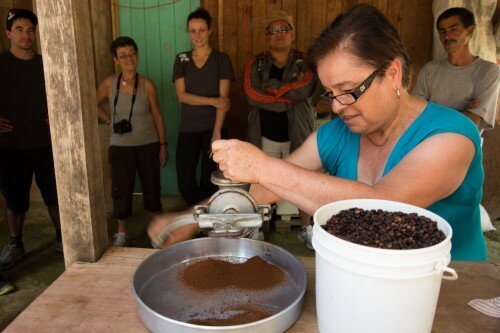
Founded in 1985 as a coffee farm, Glenn and his wife Teri Osman have been committed to conservation from the start. Integrating traditional Costa Rican methods of coffee growing, the farm earned Rainforest Alliance Certification in 2005. Our team learned all about this journey on a tour through the coffee farm, guided by staff biologist Leo, whose passion for coffee was contagious and had all of our mouths watering for a cup of fresh organic coffee!


The owners soon became aware of the estate's potential for hosting tourists. With a constant concern for the environment and local community, this green boutique hotel has managed to achieve not only the maximum of 5 leaves from the national Certification for Sustainable Tourism (CST) but it is also the first and thus far the only hotel to have obtained a 100% score on all criteria.

Journey to Sustainability

"We are coffee farmers that run a hotel, not the other way round." ~Glenn Jampol

Hearing about the development of this hotel from a sustainable tourism pioneer was truly inspiring. When the owners first embarked on their journey towards sustainability, both Costa Rica as a tourism destination and the concept of sustainable tourism in general were still relatively unknown internationally. Glenn described two events as being vital for attracting international visitors to Costa Rica, and the hotel:

First, the Nobel Prize being awarded to former Costa Rican President Oscar Arias in 1987 brought international attention to the country. Second, a 15-minute video filmed by CNN in Costa Rica about environmental conservation, which featured owner Glenn, among others, brought international interest and visitors to Costa Rica and the hotel. "Guest suggestions have always played an important role in improving the environmental and social practices of the hotel," says Glenn.

Glenn compares his journey towards sustainability to a bus ride - once you get on the bus, you can't get off. After driving enough miles, you no longer want to get off as it becomes obvious that sustainability is the most efficient option and the best solution not only for the natural and social environment, but also for your economic bottom line. Equaling sustainability with efficiency, his positive vision is that one day, all tourism will be sustainable and the label "sustainable tourism" will be redundant.

Social and Environmental Practices

"For our children, sustainability won't be a possibility but the norm." ~Glenn Jampol

Walking through this beautifully designed hotel, it soon becomes clear that sustainability is not simply implemented as a marketing gimmick, it is a way of life here. The walls are decorated with local paintings, about 80 percent of the furniture is purchased locally, and evidence of environmental best practices subtly shows throughout the hotel's premises.

For instance, several solar panels provide the electricity needed to heat water in the hotel, the swimming pool is not cleaned with chlorine but by means of ionization, recycling is part of the culture, the hotel is constructed in a way that enables natural light to enter and thus minimize energy use for lighting, and the majority of employees are from the local area. All these and many more sustainability practices have been implemented over the course of more than 15 years.

Last but not least, a remarkable initiative is the donation of five percent of the income from the bar and restaurant to a local school. Over the years, a wide variety of other projects have been carried out, such as funding a computer room with Internet access, a library, providing sustainability training, and much more. Several of these children are now entering the workforce, carrying with them an environmentally-conscious mindset and many innovative ideas.

Jampol and Osman believe that children are the hope for our future, and with their dedicated efforts, they are certainly helping to plant the seeds for a sustainable one.

More Entries

Calendar

<< May 2012 >>
Sun Mon Tue Wed Thu Fri Sat
    1 2 3 4 5
6 7 8 9 10 11 12
13 14 15 16 17 18 19
20 21 22 23 24 25 26
27 28 29 30 31    

Subscribe for Updates

Sponsors

Find sustainable hotels, tour operators, and other businesses in Mexico, Central, and South America, and the Caribbean: